By Dan Rose,
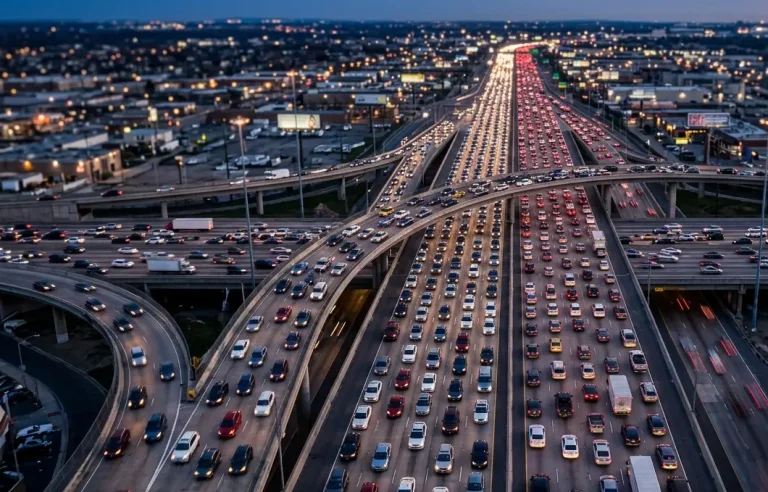
Queens has always been a borough that moves. More than 2.3 million residents share the road with airport-bound commercial traffic, rideshare drivers zigzagging through Astoria, and delivery trucks muscling along Northern Boulevard. That relentless motion produces a staggering volume of collisions, and while citywide crash numbers have trended downward in recent years, the scale of the problem in Queens remains enormous. If you drive, bike, or even walk here, the odds of being caught up in someone else’s negligence are higher than most people realize.
Why Queens Remains One of New York’s Most Collision-Prone Boroughs
The numbers paint a clear picture. Queens recorded 74 traffic deaths in 2024, the highest of any NYC borough, surpassing Brooklyn, the Bronx, Manhattan, and Staten Island. In 2025, that figure dropped to 57, a 23 percent decline, but the borough still ranked among the city’s deadliest for drivers and pedestrians alike. In a single month, September 2025, Queens tallied 2,143 collisions, second only to Brooklyn, and the two boroughs combined accounted for over 60 percent of all motor vehicle crashes citywide.
A handful of corridors drive those statistics. The intersection of Northern Boulevard and 48th Street is tied for the deadliest in the entire city, with nine people killed or seriously injured since January 2022. Queens Boulevard, still referred to by its grim nickname, continues to generate a high concentration of pedestrian-involved crashes despite years of redesign efforts. And the Belt Parkway, which hugs the borough’s southern edge, consistently ranks among the most accident-dense roadways in all five boroughs.
- Distracted Driving Dominance: Driver inattention was the top contributing factor in over 5,300 crashes during the first quarter of 2025 alone. Phone use, GPS adjustments, and momentary lapses of focus remain the single biggest threat on Queens roads.
- Airport Traffic Pressure: Two major airports funnel steady streams of taxis, rideshares, and commercial vehicles through residential neighborhoods, creating unpredictable merging and lane-change conflicts that locals navigate daily.
- Infrastructure Mismatch: Many of the borough’s wide arterial roads were designed decades ago for speed, not safety. Even with Vision Zero improvements, the fundamental geometry of certain corridors encourages drivers to push well past posted limits.
What the Decline in Fatalities Does Not Tell You
It would be easy to read the headline numbers and breathe a sigh of relief. Fewer deaths is genuinely good news. But fatalities represent only the sharpest edge of the problem. In the first five months of 2025, more than 31,000 collisions occurred across New York City, with approximately 13,000 involving injuries. Thousands of those injured victims are Queens residents dealing with fractured bones, herniated discs, traumatic brain injuries, and soft-tissue damage that can linger for months or years.
I have seen firsthand how a “minor” rear-end collision on Hillside Avenue or a sideswipe near the Van Wyck interchange can quietly upend a family’s financial stability. Medical bills pile up. Paychecks disappear. Insurance adjusters call with lowball offers before the swelling has even gone down. The declining fatality trend, as encouraging as it is, masks the everyday reality that tens of thousands of people across the borough are still getting hurt and still struggling to recover what they have lost.
How No-Fault Insurance Complicates Recovery
New York’s no-fault system is designed to get injured drivers quick access to medical coverage and lost-wage benefits regardless of who caused the crash. In theory, that sounds reasonable. In practice, it creates a maze of deadlines and filing requirements that trip people up at the worst possible moment. You have 30 days to file your no-fault application. Miss that window, and you could forfeit benefits entirely.
No-fault coverage also has limits. It generally pays up to $50,000 in basic medical expenses and a portion of lost earnings, but serious injuries blow past that ceiling fast. When they do, you may have grounds for a personal injury claim against the at-fault driver, but only if your injuries meet New York’s “serious injury” threshold. That threshold involves specific legal categories, from significant disfigurement to permanent limitation of a body organ, and proving you qualify requires solid medical documentation and careful legal strategy.
- Filing Discipline: Missing the 30-day no-fault deadline can disqualify you from benefits, regardless of how severe your injuries are. Early action protects your financial lifeline.
- Threshold Awareness: Not every injury qualifies for a lawsuit beyond no-fault. Understanding what counts as “serious” under New York law shapes your entire legal approach from day one.
- Evidence Preservation: Police reports, medical records, witness statements, and even traffic camera footage degrade or disappear quickly. Collecting evidence immediately strengthens both your no-fault claim and any future personal injury case.
Why Choosing the Right Legal Partner Matters
Hiring a lawyer after a car accident is not just about having someone fill out paperwork. It is about having an advocate who understands the specific challenges of Queens accident cases, from the congested corridors where crashes happen most frequently to the local courts where claims are adjudicated. A firm rooted in the community will recognize patterns that out-of-borough attorneys simply miss, whether that is a stretch of roadway with a known design defect or an intersection where the city has acknowledged a dangerous condition.
If you or someone you know has been injured in a collision and needs guidance on protecting your rights after a car accident in Queens, acting early makes a meaningful difference. The first few weeks after a crash are when the most important decisions get made, often before the injured person fully understands what is at stake.
- Local Court Knowledge: Familiarity with Queens County Supreme Court procedures and local judicial expectations can shape case strategy in ways that matter at settlement time.
- Insurer Negotiation: Experienced attorneys know which carriers are likely to lowball and which respond to well-documented demands. That leverage translates directly into better outcomes.
- No Upfront Cost: Contingency-fee arrangements mean you pay nothing unless your case succeeds, removing the financial barrier that keeps too many injured people from seeking the help they deserve.
Staying Safe on Queens Roads
No legal strategy replaces prevention. Slow down on arterial roads, especially near intersections flagged by the city’s Vision Zero program. Put your phone away. Give yourself extra following distance during wet weather and on stretches where airport traffic merges with local streets. And if the worst does happen, remember that the steps you take in the first 48 hours, calling police, documenting the scene, seeking medical attention, and contacting a qualified attorney, can shape everything that follows.
Contributed by Dan Rose, A Senior Legal Analyst Covering Auto Accident Trends and Injury Law in New York City.
Need Legal Help After a Queens Car Accident?
Dealing with injuries, insurance claims, and mounting bills is overwhelming, and you do not have to face it alone.
Visit us at https://mrinjurylawyerny.com to speak with an experienced Queens personal injury attorney who will fight for the compensation you deserve.
Get Directions Below!
Ribowsky Law, 109-12 Jamaica Ave, Queens, NY 11418, 718-659-5333